












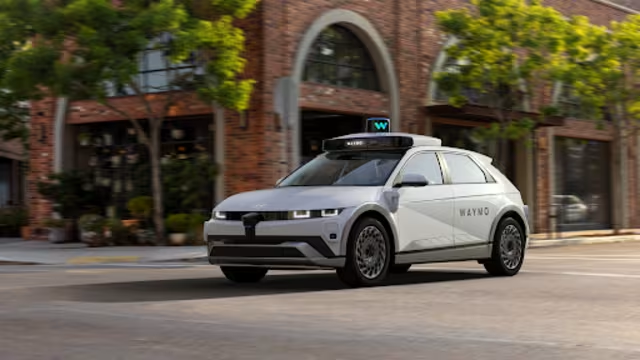
Autonomous vehicle company Waymo has expanded its Houston robotaxi service ahead of the 2026 FIFA World Cup, positioning self-driving vehicles as part of the city’s transportation strategy for one of the largest events in its history.
The expansion nearly doubles Waymo’s Houston service area to approximately 50 square miles, adding several key destinations expected to see heavy visitor traffic during the monthlong tournament. The enlarged coverage area now includes East Downtown, the Texas Medical Center, NRG Stadium and portions of northeast Houston.
Houston is set to host seven World Cup matches and is expected to welcome hundreds of thousands of visitors from around the world. City officials have spent years preparing transportation and public safety plans designed to accommodate the influx of fans, with autonomous vehicles now joining traditional rideshare services, taxis and public transit as transportation options.
Waymo riders can use the company’s mobile app to request fully autonomous rides throughout the service area. The expansion places NRG Stadium, the site of Houston’s World Cup matches, within reach of the company’s driverless fleet as tournament activities begin across the city.
The World Cup represents one of the largest real-world tests yet for autonomous transportation during a major international sporting event. Millions of fans are expected to travel among stadiums, fan festivals, hotels and entertainment districts throughout the tournament, creating significant demand for transportation services.
Waymo, a subsidiary of Alphabet Inc., has continued expanding operations across several U.S. cities as competition in the autonomous vehicle industry intensifies. Company officials view major events such as the World Cup as opportunities to introduce self-driving technology to new riders, including international visitors who may be experiencing autonomous transportation for the first time.
The expansion comes as Houston leaders work to manage increased traffic and mobility challenges associated with the tournament. Local officials have coordinated with transportation agencies, rideshare companies and event organizers to reduce congestion and improve access to World Cup venues.
Despite the growth, autonomous vehicle technology continues to face scrutiny from regulators and the public. Earlier this year, some Houston residents raised concerns after Waymo vehicles reportedly experienced navigation issues near railroad crossings in the city’s Fifth Ward. The company has also faced regulatory attention following recalls involving thousands of autonomous vehicles nationwide.
Transportation experts say Houston’s World Cup experience could provide valuable data on how autonomous vehicles perform under the demands of a major international event. The technology’s ability to handle increased traffic volumes, road closures and large crowds will be closely watched by both industry leaders and local officials.
If successful, the tournament could serve as a showcase for how autonomous vehicles can be integrated into transportation plans for future large-scale events. For Houston, the World Cup may offer a glimpse into how self-driving technology could become a more prominent part of the city’s transportation network in the years ahead.